PRESERVING CAPE HERITAGE AND CULTURE THROUGH EXPLORING VISUAL ARTS AND EDUCATION

This research traces the evolution of mental health care in South Africa, showing how the systemic violence of colonialism and Apartheid shaped a legacy of containment, institutional control, and profound public stigma. Historically, individuals deemed "undesirable", including the mentally ill, lepers, and enslaved populations—were isolated in inhumane conditions at sites like the Cape Town Slave Lodge and Robben Island, where restraint and surveillance took precedence over actual therapeutic care. During the Apartheid era, these oppressive psychiatric practices became deeply racialised; Black patients were subjected to forced physical labor, custodial sedation, and biased psychological assessments based on Eurocentric standards that completely dismissed local cultural values. Although the post-1994 democratic government introduced the Bill of Rights and initiated a policy of deinstitutionalisation to transition patients into community-based care, the shift was severely compromised by a lack of financial planning and resource allocation. This funding deficit triggered devastating public health crises, such as the 144 patient deaths during the 2016 Life Esidimeni tragedy, and leaves modern public clinics in marginalized communities like Khayelitsha and Mitchells Plain chronically under-resourced, overcrowded, and struggling to combat deep-seated stigmas surrounding severe mental illnesses like schizophrenia.
DIGITAL ARCHIVE RESEARCH LIBRARY (DARL)
Mental Health is an important part of health and is a basic human right; mental wellness enables us to function and to pursue daily livelihoods and yet it is not given the same amount of attention that it deserves. South Africa has a violent colonial past with segregation based on race and ethnicity (Patel, 2022: 5). The Apartheid government’s harsh treatment of black and coloured people which included systematic abuse and constant surveillance, was even more harsh when it came to the treatment of persons with psychological and intellectual disabilities (Patel, 2022: 5).
This treatment was fueled by stigma and discrimination resulting in the institutionalization of people with psychological and intellectual disabilities in inhumane conditions where sedation and confinement were used as forms of control (Patel, 2022:5). Among Black, Brown and Coloured communities, the psychological tone of systemic violence is overlooked in favour of a deeply embedded expectation: to rise above one's circumstances without any complaint. This is shaped by the legacies of colonialism and apartheid, and this expectation urges individuals to escape poverty, secure education and defy the structural inequalities which have historically entrapped their families and communities.
This relentless push to “overcome” fosters a culture of hyper- performance where resilience is not only admired but necessary for basic survival. Yet so often, the emotional and psychological effect of this performance is rarely acknowledged. Expressions of emotional distress such as anger, sadness or fear are often pathologized within the white supremacist framework, and viewed as irrational or dangerous when embodied by marginalized groups. From a young age individuals are socialised to suppress these emotions, to regulate their bodies and their expressions in order to perform with composure and strength in order to be deemed acceptable, safe or even employable.
In 1994 the elected democratic government of South Africa aimed to rectify the injustices of the past. The inclusion of the Bill of Rights in the Constitution of the Republic of South Africa brought hope for fair treatment for all irrespective of race, gender, ethnicity, and disability (the Constitution) (Patel, 2022: 5-6). Section 27 of the Constitution includes the right to healthcare, food, water, and social security meant to reflect the obligation of the state to ensure that the social aspects of health care are included in the attainment of health (Patel, 2022:6).
Although there has been an effort to create a more fair and equal society, persons with mental illness and disabilities still face barriers such as lack of access to health care, class and race, preventing their full inclusion and participation in the community (Patel, 2022:10). Access to quality mental health care is impacted negatively by lack of resources for mental health services (Patel, 2022:10). These services are still mostly directed to specific communities that can afford it and towards institutionalized care in tertiary hospitals instead of community-based mental health services that better reach poor communities (Patel, 2022:10).
The legacy of colonialism and Apartheid continues to shape contemporary mental health in South Africa through unequal access to services , persistent stigma and systems that still disproportionately marginalize the poor and racialized communities
MENTAL HEALTH:
PERFORMING WELLNESS
By Zoku Mgoduka-Horn, OCTH Researcher
Slavery
Colonialism in South Africa was established through violence , beginning in 1652 and it set the tone for the coming centuries of colonial rule. A period marked by repression, systemic land dispossession, discrimination and forced labour. As well as the destruction and destabilization of societies and cultures through unjust laws (Kleintjes & Schneider, 2023: 1-2). It can be argued that this period was the starting point of inequalities economically, socially and politically even in the healthcare profession (Kleintjes & Schneider, 2023: 1-2).
From the 1600s to the middle of the 1700s the most disorders amongst settlers in the Cape were alcoholism, exhaustion and venereal diseases which were followed by mental disorders (Ure, 2008: 9-11). Due to the population of the settlers being too small to warrant the building of special facilities, a large number of enslaved people and mentally ill sailors were kept either in the Slave Lodge, Robben Island or a general hospital. In this period people were not sensitive to the needs of the mentally unwell and would often respond to them with disdain and aggression (Ure, 2008: 9-11). As a result a large number of enslaved people in the colony and black people were treated sadistically as a means to maintain power and to enforce the idea that they were less than human (Ure,2008:8). Healthcare and Western medicine in colony settings for both enslaved people and black people often had detrimental effects as provision and access to healthcare was limited in comparison to white people and the treatment as well as medicine was often culturally different with inadequate approaches.
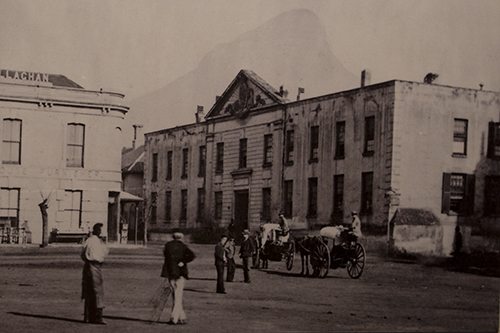
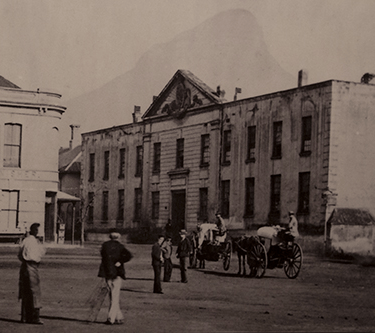
Figure 1. Photo credit : Attributed to Arthur Elliott (circa 1900–1930), rear facade of the former Slave Lodge (Old Supreme Court), Church Square, Cape Town. Source: Iziko Slave Lodge website.
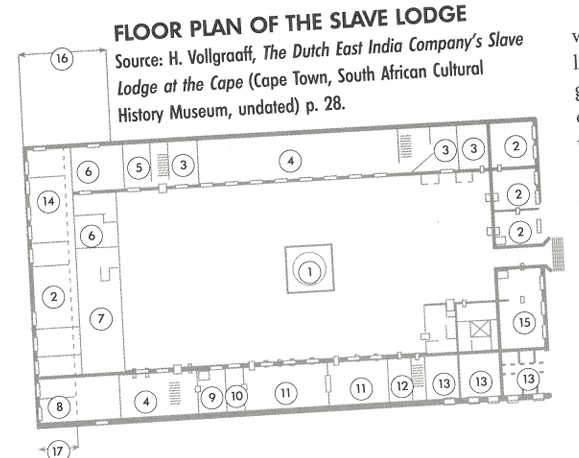
KEY:
Water Well
School
Overseer
Slaves
Magazine
Director
Open Court
Convicts' cells
Executioner
Doctor
Hospital
Prison
Lunatics
Surgeon
Porter
Facade removed in 1926
Section missing from original plan
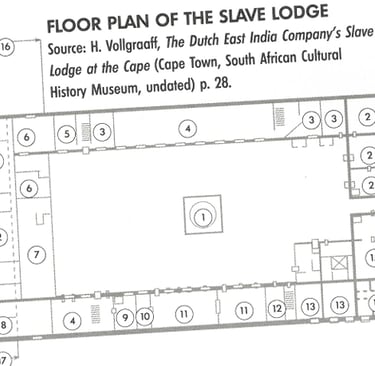
Figure two : H. Vollgraaf, The Dutch East India Company Slave Lodge at the Cape (Cape Town, South African Cultural History Museum)
Another disturbing reality and response to having more females in the Slave lodge was the fact that it functioned as a brothel.
“Female slaves are always ready to offer their bodies for a trifle: and towards the evening , one can see a string of soldiers and sailors entering the Lodge where they misspend their time until the clock strikes 9. After that hour no strangers are allowed to remain in the Lodge. The Company does nothing to prevent this promiscuous intercourse, since for one thing, it tends to multiply the slave population and does away with the necessity of importing slaves.”- Otto Mentzel, A geographical and topographical description of the Cape of Good Hope. (Vollgraaff, 1997:35).
This quote not only shows the racial bias but also the conflict of ideals and practices in the Lodge. The Dutch East Indian Company often enforced Christianity as a religion and its values through religious instruction. They were concerned and dictated enslaved persons' personal lives but at the same time allowed it to function as a brothel in order to increase the number of enslaved children and to meet their own personal needs (Vollgraaf, 1997:35). It should be noted that it was barely known how the women felt about their role in prostitution but it was seen as a means of survival. Mixed enslaved people were able to gain a higher standard of living as they had better access to better jobs (Vollgraaf, 1997:36-37). They also had a chance to be manumitted. Not all of the women were prostitutes however as they were cases of mixed women who married white men. The men had to pay 150 florins to the Company for expenses such as subsistence and education which had occurred during the women's stay at the Lodge. The women were often able to buy their children's freedom as well (Vollgraaf, 199:36-37).
It should be considered that the living conditions of enslaved people also contributed largely to their decline in mental health. In the Slave Lodge life was extremely difficult and inhumane as it was overcrowded and the facilities were inadequate, it was dark, wet and dirty. This was because streams of water often flooded the Lodge cellar during winter and the roof also leaked. Enslaved people only received blankets after 1685 and before they had nothing to cover themselves with (Mountain, 2004: 44).
The company controlled 600 enslaved people by using an army type barrack system and strictly controlled their lives while the Burghers controlled enslaved people through ‘co-opting’ them into the family in a paternalistic way. This control created a complicated form of psychological attachment (Mountain, 2004:41). The control was based on disempowerment and lack of autonomy under paternalism. A typical Cape family in the 17th and 18th centuries worked under patriarchy, the father was considered the head of the household and his wife, children and enslaved persons were under his control. Enslaved people who were often given the status of children and were denied the opportunity of gaining adulthood (Mountain, 2004:44).
The infantilization and stripping of agency of enslaved people were reinforced through subtle measures which worked on both a psychological and physical level which worked on both a psychological and physical level and which set them apart from other members of the Cape society (Mountain, 2004:45). For example, regardless of age, enslaved people much like indigenous people, were referred to as ‘boy’ (jongens) or ‘girls’ (meijden) (Mountain,2004:45). Every aspect of their life was chosen and carefully regulated; if an enslaved person shrugged in a way that was deemed ‘inappropriate' or failed to raise their hat or raise their voice while talking to a master or mistress it would result in severe punishment (Mountain, 2004:45).
There was also a disproportionate amount of women in comparison to men. The average ratio (excluding convicts) was 113.8 men for every 100 women during the period 1655-1828 (Volgraaf, 1998:17). This ratio was probably due to the shorter life expectancy of men. Where privately owned enslaved people were more men than women, the average ratio being 720 men and 100 women ( Volgraaf, 1998: 17). Towards the end of the slavery period the ratio was 150 to 100. Partly due to this imbalance, enslaved people never got a chance to become a self-producing society due to the low levels of birth (Volgraaf, 1998:17). The slave traders also preferred to import children as in the 1790s children formed less than 15% of slave society; they also preferred this as enslaved youths were more likely to survive travel and had more years ahead (Volgraaf, 1997:18).
Imported enslaved people tended to be single with no kinship ties to the rest meaning that Cape enslaved society consisted mainly of bachelors and orphans (Volgraaf, 1997:18). Unbalanced sex ratios also led to disturbed behavioural patterns such as expressions of violence, sexual loneliness, misery, gambling, drinking, low self-esteem and a lack of will to live (Volgraaf, 1997:18).
Institutional Control
While slavery relied on physical labour, sexual exploitation, as well as surveillance. It also established a larger system of surveillance, discipline and the regulation of human behaviour through control, punishment, and regulation of bodily autonomy. These systems did not disappear with emancipation. Instead they evolved into colonial institutions in deviation from social norms, whether it is through behaviour, poverty, disability or mental distress become something to be managed through classification, confinement and correction, through emerging medical and legal systems. This marks the beginning of colonial institutional approaches to mental health in South Africa, where care was often replaced by surveillance, restraint and isolation.
Early Institutional Health and Colonial system
The period of colonialism was characterized by a lack of recognition of mental illness as a disease. There was hardly a focus on actual treatments and instead the focus was placed on ‘fixing’ people that didn't fit into social standards and if unable then restraint and isolation. Isolation in poor conditions with poor safety and sanitation as seen in the case of the Slave Lodge as well as Robben island (Kleintjes & Schneider, 2023:2). The thought of the time in relation to mental illness was that of fear, stigmatization and isolation. There was a lack of recognition for people with mental illness as having rights to be treated as a human being (Kleintjes & Schneider, 2023:2).
This was further influenced by laws such as the Mental Disorders Act 38 of 1916 whereby individuals were placed under state custody and often transferred to correctional facilities in order to ‘protect’ society. It was responsible for the treatment of ‘medical delinquents’ for the court systems, blending judicial authority in ways that erased patient autonomy.
During the period of 1876 to 1922 nine specialized psychiatric hospitals were built across South Africa such as Fort England Hospital, Valkenberg HospitaL and Westkoppies Hospital (Kleintjes & Schneider, 2023:2).
Institutional Health during the period of colonialism and Apartheid focused on the medical model of disability, which is an approach that views disability as something wrong with the individual, where there is a loss of function or body part, something that needs to be ‘fixed’ (Patel, 2022:13). It was also combined with the theory that people who were mentally unwell were ‘possessed’ by evil forces or witchcraft and were meant to be put away. This perception of mental illness as innate evil or a form of horror to be feared was influenced by Christian theology ( Kendler, Kenneth, Tabb & Wright ,2022: 329)
The aim was to ensure the person can conform to the norms of society. As such, the solution would be devices that would enable them to adjust, devices such as wheelchairs, prostheses, a can for the blind and medication for mental illness (Patel, 2022:13). The medical model sees impairment as the object and not as the person as a whole. This model enables an oppressive and stigmatizing approach to disability and mental health (Patel, 2022:14) Patel states (2022) that the medical model of disability has singled out people with disabilities as the ‘Other’ different from other human beings which results in their isolation from society (Patel, 2022:14).
The government during this period increasingly aimed to separate individuals that were considered mentally unwell from the ‘general’ public , and hospitals began to play a larger role in their management. Somerset Hospital which was established in 1818 , became a hospital that houses the mentally unwell as well as physically unwell patients (Minde, 1974: 1630). The living conditions were barely humane as in 1826 many patients had no beds or bedding and there were complaints that the patients were being tied up and beaten (Minde, 1974:1630) . Although the Hospital community investigated this, they had excused it as ‘sensible treatment’ for those who were mentally unwell as it made it easier to control them. In 1834 Dr Bickersteth was appointed as the Resident Assistant Surgeon at Somerset hospital and medical officer to Robben island. This could have been the first time that they were provided with a doctor on the Island (Minde, 1974:1631).
Minde (1974) states that the accommodation at Somerset improved with the building of a special ward for the mentally unwell. At the time Cape Town was the only place that provided accommodation for people with a mental illness, they often had to travel long distances ( Minde, 1974:1631).
There was an overflow of patients from Somerset Hospitals and as such they were relocated to Robben Island (Kleintjes & Schneider, 2023:2)
Robben Island : A prison, A hospital , A no man's land ?
According to Hutton (1994) in the 1800s British like the Dutch before used Robben island as a prison, the prisoners included men who deserted the British army; criminals and political prisoners, local leaders who resisted British rule (Hutton, 1994:24). There were also other people who were not prisoners, in the mid-1800s the island was used even more as a hospital for the extremely sick and mentally ill ( known at the time as ‘Lunatics’) , the poor and lepers (Hutton, 1994:24) . The first patients on Robben Island were mainly sailors and soldiers who had no money and were too sick or old to work. There were also ex enslaved people who could not support themselves as well as women who had been prostitutes or had sexually transmitted diseases. Some patients were alcoholics. All these patients had one thing in common, they were isolated and expected to look after each other (Hutton, 1994:31)
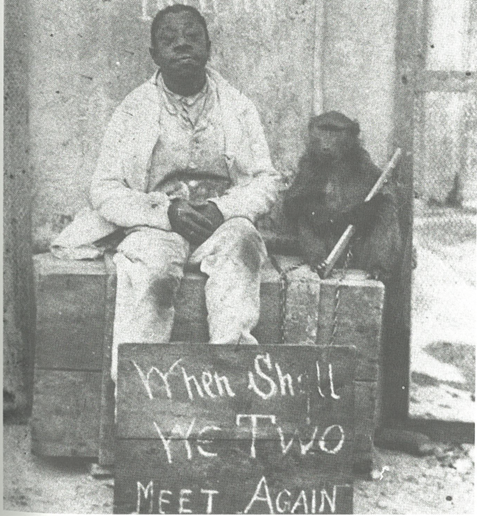
Although prisons and hospitals are different institutions, both could be used as a place to dump unwanted people into society (Hutton, 1994:24). As such they were often neglected by society, living in terrible conditions. No one really tried to treat or cure them, instead they received the same cruel punishments as dangerous criminals. Huttons states (1994) that patients were often chained and beaten, they were isolated and hardly allowed visitors. They also assaulted each other. There were cases of male patients raping the extremely sick women patients. The island was moist, damp and unwelcoming. It felt like a place of sorrow and horror, a lonely exile (Hutton,1994:29).
Figure three : Image taken from Prison 1846 - 1866 - Robben Island Museum, 2022. General Infirmary 1847
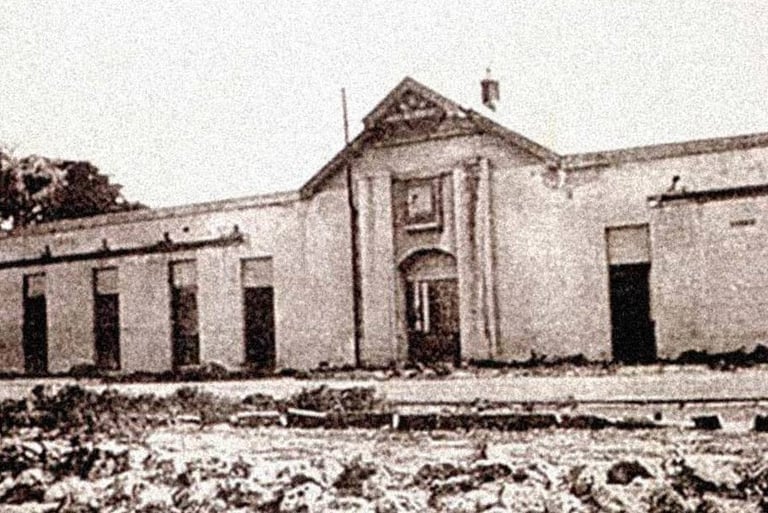
Figure four : Male Mental Health Patient. Image taken from Hutton, B. 1994 Robben Island Symbol of Resistance. Mayibuye Books
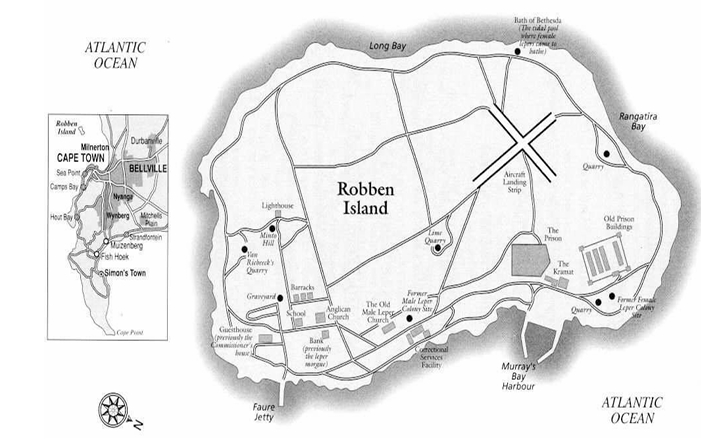
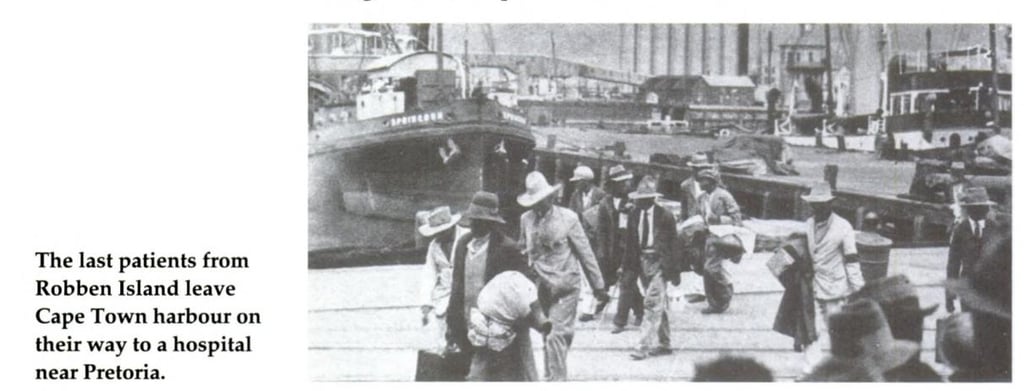
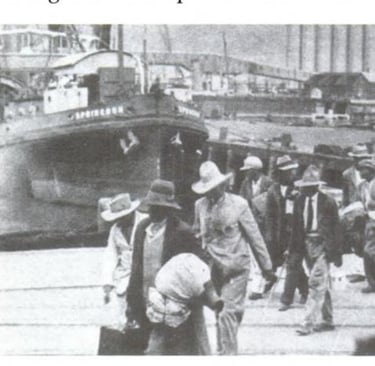
Figure six: Patients leaving Robben Island
In the beginning the patients lived together in the old prison buildings, sheds and stables. Then in the mid 1800s, the mentally unwell were separated from other patients. Black patients who suffered from mental instability were separated from White patients (Hutton, 1994 :30). They were placed in the ‘Kraal’ which in previous times was used for sheep and later East Indian prisoners while white mentally unstable patients lived in a building called the ‘Asylum’ (Hutton, 1994:31). People who suffered from leprosy were often placed in Robben island by family members due to the fact that there was no cure until the 1940s and doctors did not know how people got it (Hutton, 1994:31). Some patients were admitted voluntarily and were able to leave at any time, but as the disease spread as well as racial stereotyping of the disease by European society, it changed (Ngewu, 2022:29) This was further pushed in the 1890s when the government passed the Leprosy Suppression Act, whereby people with leprosy had to live completely away from society and in hospitals or at home (Hutton, 1994:31).
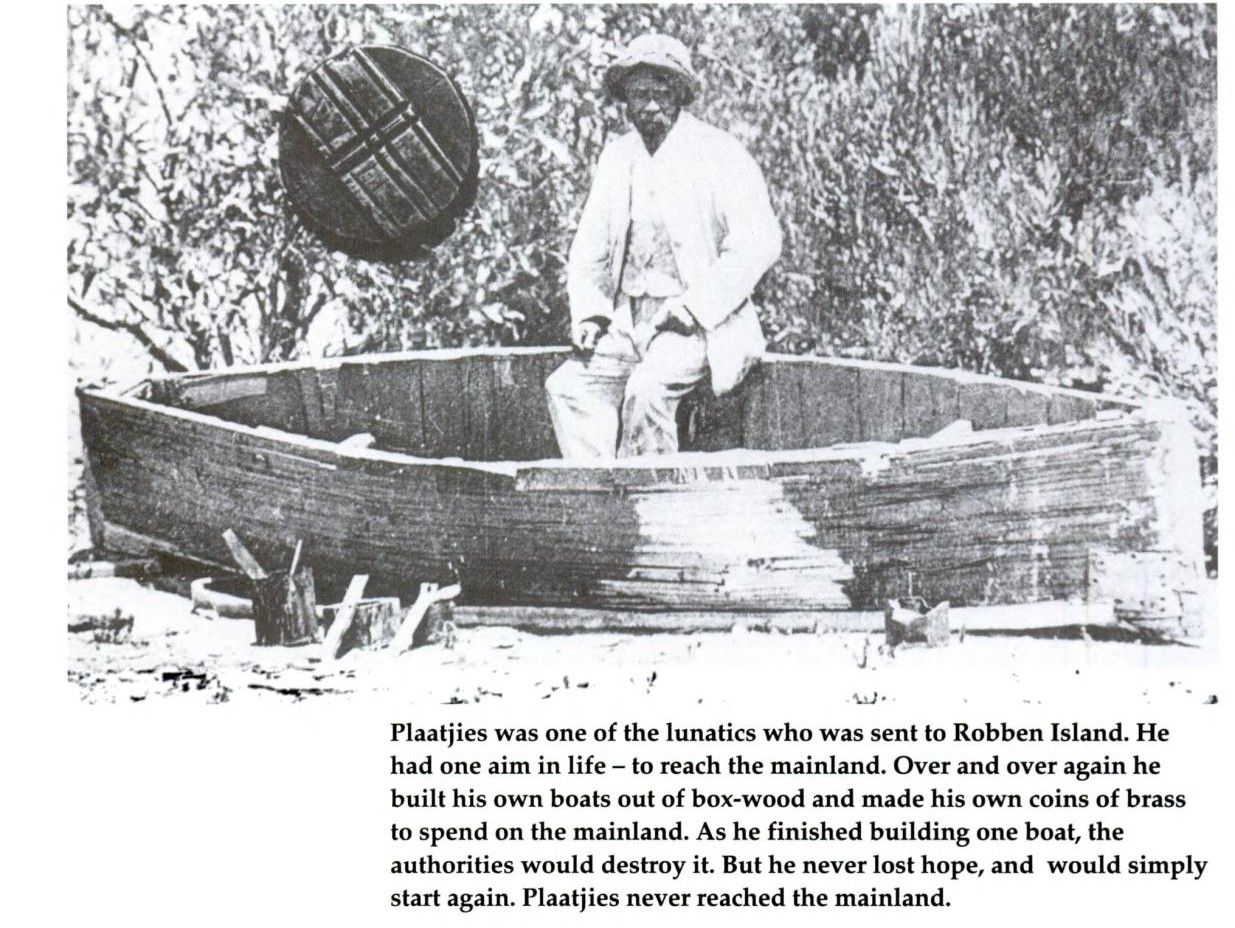
Figure five: Map showing location of male and female leper patient sites, taken from Ngewu, M., 2022, What is the impact of World Heritage status and related positioning for a tourist audience on Robben Island's meanings and public narratives? Mini dissertation , University of Cape Town
Figure seven: Plaaitjies
Ngewu (2022) states that leprosy patients were separated based on race and gender, there were disparities in food rations as well as health and living conditions. Patients from an upper social class received better treatment than poor patients and were buried in marked graves after their death(Ngewu, 2022:29). This mirrored the racial segregation that took place in the mainland as black people and their living conditions were often blamed for epidemics such as the bubonic plague of the 1900 and the spread of leprosy. This would later lead to people in power using this as a reason to remove black people from the cities and to the outskirts of town (Ngewu, 2022:29).
By 1921 most of the mentally unwell were removed from the island and it was briefly abandoned upon the decommissioning of the asylum in 1931 and then used as a defensive military base for the Second World War in 1942(Hutton, 1994:30).
The practices evident on Robben Island reflected the broader colonial logic where confinement was used as the primary response to bodies deemed as undesirable or unmanageable. As time passed this thinking was formalised through legal and psychiatric systems that extended control beyond isolated institutions and into wider structures of governance. Under Apartheid mental health care became deeply entangled with racial classification, class, surveillance and state regulation.
Apartheid Psychiatry & Racialized Control
According to Hutton (1994) segregation and discrimination began in South Africa long before the National Party came into power in 1948 but from that year onwards South Africa entered its darkest period. The new Apartheid government passed discriminatory laws that would control every aspect of black and coloured lives; laws about where people could live, work, trade and go to school, what type of education they could received, who they were allowed to marry and who they could have sexual relations with (Hutton, 1994:38). The government and its security forces took extreme measures to crush resistance to those laws.
Under Apartheid Black South Africans were valued primarily on their physical labour, not their emotional or intellectual wellbeing (Ure , 2008 : 10). This is evident in how psychiatric care was shaped by radicalized medical theories which framed Black patients as emotionally underdeveloped and less responsive to talk therapy (Ure, 2008:20). As a result treatment was more focused on physical interventions such as sedation or restraint rather than psychological ones. Many institutions such as the Grahamstown asylum, employed occupational therapy which compelled mentally unwell individuals, especially Black patients, to undertake physical labour in workshops, farms or domestic roles.
This dehumanization intersected with religious beliefs which cast mental illness as a moral or spiritual failing, contributing to furthering the stigma (Ure,2008:11). Within this context, the need to hyper perform wellness emerged as a survival strategy- to avoid institutionalization, to gain employment or to be seen as ‘worthy’ of limited care (Ure, 2008:11).
In 1952, the Black (Native) Laws Amendment Act No 54 provided that a person in violation of Section 29 of the 1945 Urban Areas Consolidation Act, exemplifying how apartheid legislation further criminalized the presence of Black Individuals in urban spaces. They could have been sent to a rehabilitation facility if they were so much as seen as idle and ‘undesirable’, with release being subject to the approval of the Governor-General (Ure, 2008:35). This stripped many Black South Africans of their autonomy and subjected them to indefinite incarceration under the guise of rehabilitation (Ure, 2008:35). Ure (2008) states that black patients were more likely to be forcefully admitted for behaviour that was seen as ‘criminal’ or symptoms of a criminal in comparison to white people. In essence their behaviour was more likely to be constantly monitored and policed (Ure, 2008:44).
Many Black patients who arrived at hospitals in a confused state got transferred to mental institutions which were often short staffed and poorly equipped, and where care was minimal and custodial rather than therapeutic.
Psychiatric training was included in the education curricula for health care professional training including undergraduate medical, nursing, clinical psychology, occupational therapy and psychiatric social work training. These developments took place within the period of Apartheid, with extreme segregation of population groups and increasing material and economic dispossession of the Black majority (Kleintjes & Schneider, 2023:2). It was greatly influenced by the Apartheid regime and helped perpetuate racist stereotypes (Kleintjes & Schneider, 2023:3-4). One being the black and coloured people were viewed as ‘less intelligent’ based on the ‘findings’ of aptitude assessments that were focused on white culture and lens. These aptitude assessments were often inappropriately applied to black and coloured people. What was seen as ‘common knowledge’ to white people was often an experience that black and coloured people never had due to socio-economic, cultural and political conditions (Kleintjes & Schneider, 2023:3-4)
The need for different cultural experiences was hardly considered until the mid-2000s (Kleintjes & Schneider, 2023:3-4). Ure (2008) between the 1900s and 1960s, psychiatry in South Africa dismissed the idea of developing a mental health approach that was grounded in traditional, social and political values of Black and Coloured communities, ‘Africanised’ psychiatry was often viewed as unscientific in comparison to European Standards (Ure, 2008:20).
The effect of the Apartheid government on the mental wellbeing of Black and Coloured patients was profound and often unnoticed. Forced removals, constant policing of movement through the Natives (Abolition of Passes and Co-ordination of Documents) Act of 1952 and detention without trial as well as segregated facilities which were often much worse in quality for Black patients than their White counterparts contributed to significant psychological distress, social disruption and intergenerational trauma(Kleintjes & Schneider, 2023:2). The effects of which continue to shape mental health experiences and access to care in South Africa today (Kleintjes & Schneider, 2023:2-4)
Contemporary Perspectives on Mental Healthcare today : An interview with a community and mental health care practitioner
Although South Africa has moved away from overtly discriminatory mental health practices of the colonial and apartheid periods, there are still many challenges created by those systems that still continue to shape mental health care today. In Cape town access to mental health care remains limited with public clinics often being under-resourced, overcrowded and unable to meet the needs of care especially in areas like Khayelitsha, Mitchells Plain and Langa. While non-governmental organisations and community-based initiatives such as Trauma Centre for Survivors of Violence and torture in Woodstock, Cape Mental Health, Inala Mental Health foundation and Community Mental Health & Psychiatry attempt to address these gaps through individual , community based counselling and outreach, the need for services continue to exceed available capacity.
To gain insight into the contemporary realities of mental health care in South Africa, an interview was conducted with Anel Pienaar, a social worker and co-founder of Community Mental Health and Psychiatry. Community Mental Health & Psychiatry was established in response to the increase of homeless elderly people who often struggled with mental illness as well as the growing need for long term community based mental health support. The organisation focuses on providing long-term psychiatric care, housing rehabilitation to individuals across Cape Town and the Boland Area, focusing specifically on people with schizophrenia
Drawing upon her experience working with individuals with severe mental illnesses such as schizophrenia. Pienaar discussed the challenges of deinstitutionalisation which was done by the government after 1994 in order to rectify the abuse of institutionalisation in the past, persistence of stigma surrounding mental illness and the impact of poverty, violence and limited resources on mental well being.
Deinstitutionalisation and Community based care
One of the most significant developments in South Africa mental health care has been the shift from institutional custodial care that did not consider patients socio-economic and cultural circumstances towards a more community-based treatment that looks at cultural and socio-economic factors. According to Pienaar (2026) the process of deinstitutionalisation was intended to move individuals away from long-term psychiatric institutions and towards care within their own communities. The aim was to correct the custodial model that was encouraged and enforced by the Apartheid government , it was also to create a more humane and inclusive model of mental health care that would allow individuals to receive assistance from clinics and hospitals in their own communities and to remain connected to their families and support networks.
However Pienaar (2025) noted that the transition was not accompanied by transferring the resources (namely finances) into organisations and there was not adequate planning. While patients were discharged from institutions, there were limited places where they could be kept for a long period of time. Some of these patients would be without family care and would end up in the streets which would often exacerbate their mental health issues (Pienaar, 2025, pers. Comm, 25 May ). She noted the Life Esidimeni crisis of 2016 in Gauteng, where the Department of Health abruptly terminated its contract with the Life Esidemeni psychiatric facilities. This led to over 1500 vulnerable patients being transferred to ill-equipped and unlicensed NGOs, resulting in the deaths of 144 deaths from starvation, neglect and lack of medical care; the Department of Health was held liable (Lydia, 2025:1). After 1994 the government was more focused on crisis management , in the health sector the Department of Health was more focused on HIV, TB and physical ailments that could cause immediate harm, mental health was not considered as something that could instantly lead to death. Over time and with more and more focus on the effects of mental health as well as the Life Esidimeni case, this changed. Governments tried to work a bit more with organisations (Pienaar, 2025) as psychiatric wards and hospitals were often under-resourced and under stress.
Pienaar (2025) notes that in South Africa there isn't enough money for organisations and so organisations often have to work with what they have and have limited time and resources for advocacy in communities. Cape Mental Health Society for instance does try to give a lot of information out into communities and does advocacy and treatment but there is still a lot more to be done .
The shift towards community care shows a significant departure from earlier approaches discussed previously. Whereas colonial and Apartheid institutions often relied on confinement, isolation and segregation, contemporary approaches try to emphasise integration within communities and try to be more human. Yet the challenges identified by Pienaar suggest that access to effective care remains limited, especially in poorer communities.
Stigma and Severe Mental Illness
Despite changes in treatment approaches and people talking about mental health, there are still mental health conditions that are considered more acceptable than others such as anxiety and depression. Stigma remains a significant challenge for people living with severe mental illnesses. Pienaar explained that conditions such as schizophrenia and bipolar type two disorders are often poorly understood by people. Behaviors associated with these conditions are frequently attributed to substance or viewed as a sign of a ‘disturbed mind’ or a personal failure.
These perceptions reflect the historical attitudes towards mental illness that have appeared throughout South African history. From colonial beliefs that framed mental illness as a form of deviance to Apartheid-era systems that closely monitored and regulated behaviour.
As such Pienaar, much like other organisations, has advocated for there to be more effort placed in educating people about mental health. Mental health and what to note as well as what to do in cases of emergency should be taught in schools and communities in order to mitigate stigma.
Organisation: Community Mental Health and Psychiatry Foundation (CMHP)
Interviewee: Anel Pienaar’s role is the founder of the organisation and a qualified social worker.
Interviewer: Zoku Mgoduka-Horn
To make the interview easier to read, we have streamlined the original transcript into a clear, continuous narrative. We have focused the text entirely on Anel’s account, preserving her direct insights, historical perspective, and firsthand experiences in her own words.
Anel Pienaar is a social worker and founder of community mental health and psychiatry, the organization itself provides care and accommodation for psychiatric patients, basically works with people that have Schizophrenia and they have 7 facilities, found about 280 beds, they are in the grounds of Stikland Hospital in Bellville. Three facilities there, one in Bellville, two outside Stellenbosch on a sort of a farm and one in the Strand. They are focused on psychosocial rehabilitation, trying to see if they can do some rehabilitation with people with schizophrenia so that they can actually go back into the communities and live independently.
Anel's Account
Early Beginnings and Community Context
When the organization started out, it was just myself, a pastor from our local church, and his wife. At that time, we were simply doing informal charity work within our community, helping people with unemployment issues and food security. The project actually grew out of a shared concern from seeing so many elderly people living on the streets. With a lot of effort, we eventually managed to get hold of a building with the sole idea of getting these elderly individuals off the streets. This was right around 1994 or 1995, just as the new democratic government came into power. The new administration immediately began cutting down institutional subsidies, which is ultimately what pushed us to step up and take this project on fully.
The Post-Apartheid Policy Shift and Institutional Crisis
A nurse at Stikland Hospital heard about our project and contacted us. Because of the new government's policies, state psychiatric hospitals were being forced to rapidly discharge all of their long-term patients. Stikland and Louw Wepener hospitals alone had more than 350 long-term patients to place, and Valkenberg and Lentegeur hospitals were facing the exact same crisis. The new government wanted to start a massive de-institutionalization process. You see, under the Apartheid government, the policy was that psychiatric patients should stay long-term inside hospitals rather than out in the community, and because of the old system, the majority of these long-term patients—especially at Stikland—were older white individuals.
Stepping Into "Abnormal Psychiatry" Without Experience
Psychiatry is an incredibly difficult field that is constantly developing and changing. Even after all this time, the general public still does not understand psychiatric illnesses, specifically what I refer to as "abnormal psychiatry." We aren't talking about the more "typical" mental illnesses like depression, anxiety, or bipolar disorder, where patients can generally live in the community and receive outpatient treatment. We are talking about severe conditions like schizophrenia—those were the people who had spent their lives living inside the hospital wards. When the nurse came to us and explained they had to discharge hundreds of patients, we had absolutely zero experience or knowledge. But we were young, eager to help, and we didn't necessarily think ahead to the consequences, so we just agreed to try and house them.
Early Survival and Resource Scarcity
It grew very quickly. Luckily for us, the pastor's wife was a qualified nurse, which gave us a vital medical baseline. We started out with just that one building in the Strand, which belonged to a family member of the pastor who graciously allowed us to use it. The buildings were old and needed a massive amount of physical fixing. Because we had no state funding, we had to ask the patients' families to bring everything: their own beds, their bedding, and even their own knives, forks, and kitchen utilities. That is literally how it all started—with absolutely zero subsidies from the government.
The Structural Flaws of De-institutionalization
De-institutionalization in those years was highly ineffective because the correct procedures simply weren't followed. What the Department of Health failed to realize was a basic economic reality: if you shift vulnerable patients from a state-run facility into the community, you must shift the funding along with them. The decisions being made at the top were purely budget-driven; they just wanted to save money and cut costs. Our organization wasn't very well-informed in those days, but our eagerness to help kept us going. The state hospitals just kept discharging people until entire old wards at Stikland stood empty, at which point they offered to let our organization use three of those empty wards. The beginning was completely chaotic, but over the years we became highly organized. Eventually, the government began budgeting for us and offered partial funding, and the Department of Health even helped by providing our meals for the first three months until we got on our feet. Over time, we got local businesses, the broader community, and affluent local churches involved, all of whom provided massive support in those early years.
Current Operations and the State Subsidy Disparity
We never actively chose psychiatry; it is just something that sort of happened to us. Today, we employ a staff of 130 people, including cooks, drivers, a maintenance team, house mothers, and specialized psychiatric nurses. However, securing the money to pay for this operation has required many intense fights with the Department of Health. Today, we receive a subsidy of just R2,500 per patient per month from the state. To put that in perspective, it currently costs the government roughly R60,000 per month to keep a single patient inside one of their own state facilities. On top of that, we are responsible for paying 40% of the electricity bill on the Stikland account, while the government covers 60%. It remains a massive, constant financial challenge. We did get a break when Spoornet, the railway company, offered to sell us a piece of unusable land that had 40 dilapidated houses on it. We said yes, and with the help of the local community, we managed to completely revamp the entire property.
Serving the Most Vulnerable in the System
The people we take on are those who have completely fallen through the cracks of the system. We take individuals from night shelters, people living under bridges, and psychiatric patients who have nowhere else to go. These are people from the poorest areas who are living on the streets and are entirely incapable of looking after themselves. What we provide is not a luxury service; it is an absolute necessity.
The Hierarchy of Healthcare Funding and the Life Esidimeni Pivot
It has been a long, painful battle with the Department of Health because of how they view illness. If a patient has HIV or TB—essentially, if they are bleeding—the department is quick to step in because they see it as an immediate life-or-death crisis where they are saving a life. However, if you are a chronic mental health patient, you aren't actively dying on an operating table, so mental health was always pushed to the absolute background when it came to state funding. Over the last few years, there has definitely been a slight positive shift and a growing realization of mental health issues, mostly because more and more everyday people are visibly struggling with depression and suicide.
The massive turning point was the Life Esidimeni crisis in Gauteng. The provincial Department of Health abruptly terminated its contract with psychiatric facilities and rapidly transferred over 1,400 vulnerable patients to ill-equipped, unlicensed NGOs. It was a total human rights disaster that resulted in the deaths of at least 144 people from outright starvation, neglect, and a lack of medical care. The subsequent court cases held the department legally and financially responsible. That disaster brought a massive change to the entire country, because state officials finally realized that they are going to be held personally and legally liable for failed de-institutionalization processes. The Department of Health finally woke up to the fact that they absolutely must fund us.
Socioeconomic Stigma and the Lack of Medical Awareness
In South Africa, there simply isn't much money to go around, so NGOs have to work with the little they have. We recognize that our patients are in the exact same medical category as people suffering from high blood pressure or recovering from heart attacks—they are fighting for their lives. While the general community views mental health a bit better now, that empathy is mostly reserved for people with depression and anxiety. There is still a profound lack of knowledge around abnormal psychiatry. We see it constantly when parents and relatives apply to our organization; the way they speak reveals a total lack of education. Family members will live under the same roof with a relative for years without ever knowing the actual name of their illness, simply describing them as "not right in the head."
In poorer communities, people actively laugh at and mock these patients. They are incredibly vulnerable, and people on the streets frequently exploit them by sending them to buy illegal drugs. But this lack of education isn't limited to poor areas; even in well-off, wealthy communities, people have absolutely no idea what schizophrenia actually is. They almost always ascribe the abnormal behavior to the person being on drugs. When a family member suddenly develops schizophrenia, it is incredibly traumatic for the household because the behavior seems so weird and strange. They don't know how to help or where to go, so their first instinct is usually to just cover it up and hide them away. We see the exact same pattern with patients suffering from bipolar type 2 where they become psychotic, as well as those with drug-induced psychosis.
Future Outlook and the Isolation of Families
Right now, state psychiatric wards and hospitals are under extreme stress; there are simply not enough facilities or resources to cope. Because our funding is so incredibly tight, we are trapped in a constant state of daily crisis management. To be completely honest, I don't necessarily believe things will get better with our generation. There is just not enough money being poured into these communities to fund proper advocacy or general training. Organizations like the Cape Mental Health Society do try their best to put information out into the community, but there is still an astronomical amount of work to be done. While there is minor progress in people discussing general mental health, society still fundamentally rejects abnormal behavior. People are deeply uncomfortable with something being wrong with the human mind. If a family member is diagnosed with a physical illness like cancer, they can tell their neighbors and the whole community will rally around them with support. But if a family member is sitting in a tree outside thinking they are a bird, it becomes too difficult for people to comprehend, and those families are left entirely alone to face a reality they don't understand.
Discover
Contact Us
Our cultural heritage matters
Help us learn and grow by sharing your respectful feedback on our website, exhibitions, social media and more:
Store's Terms and Conditions